AI Prompt Guide · Rome · 2026

The AI travel prompt for Rome that actually works

Most AI itineraries cram the Vatican and Colosseum into one day — they're on opposite sides of Rome and both need pre-booking months ahead. Here's the local logic that plans Rome correctly.

Free to use
No sign-up
Works with ChatGPT & Gemini
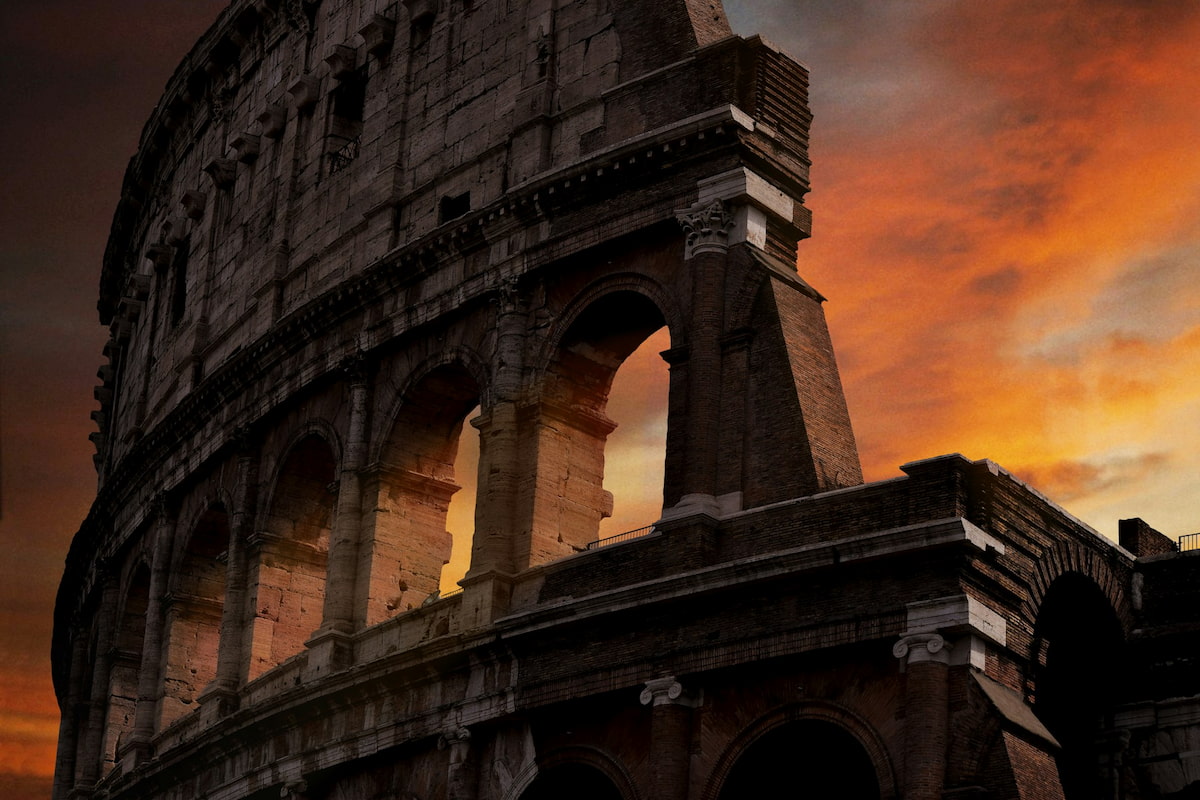
The Colosseum at golden hour — Rome, Italy

Four things every generic Rome itinerary gets wrong

Ask any AI to plan Rome and you'll get a tour of monuments that sounds authoritative and falls apart on the ground. These four mistakes appear in nearly every generic itinerary.

🎟️

It doesn't flag that pre-booking is mandatory

Vatican Museums and the Colosseum both sell out months ahead in peak season (April–October). Showing up without a ticket means 2–4 hours queueing, then often being turned away. Generic AI mentions these as must-sees but never tells you to book 8–12 weeks ahead.

🗺️

It puts Vatican and Colosseum on the same day

These two sites are 5 km apart, each takes half a day minimum. The Vatican alone (St Peter's + Museums + Sistine Chapel) fills an entire morning. The Colosseum + Roman Forum + Palatine Hill fills another. Combining them means rushing through both — and getting the Colosseum in the wrong light.

☀️

It ignores August reality

August in Rome is 35–38°C and the cobblestones radiate heat from 11am. Half the city's residents have left, which means many neighbourhood restaurants close for 2–4 weeks. Generic AI never flags which restaurants are open or that a 7am start is survival logic in summer.

🍽️

It sends you to restaurants near monuments

Every café near the Trevi Fountain or Pantheon charges tourist prices for average food. Trastevere and Testaccio are where Romans actually eat. Via della Lungaretta, Piazza di Santa Maria in Trastevere, and the Testaccio market are specific starting points generic AI never mentions.

The Rome prompt — copy and use

This prompt forces neighbourhood-by-day planning, pre-booking flags, and restaurant picks well away from the tourist trail. See the difference before you copy.

❌ Generic AI output
  • Vatican and Colosseum on day 1
  • Restaurant "near the Trevi Fountain area"
  • No pre-booking mentioned
  • 2pm outdoor walks in August heat
✓ Zippy prompt output
  • Vatican and Colosseum on separate days
  • Trastevere and Testaccio for dinner
  • Pre-booking flags with 8-week lead time
  • Early starts and midday breaks built in
📋 Paste into ChatGPT or Gemini
Act as an expert Rome travel planner who knows the city neighbourhood by neighbourhood. Plan a 5-day Rome trip for a couple who want culture, history and real food. HARD CONSTRAINTS — follow these exactly: - Pre-booking: Flag Vatican Museums + Colosseum as MUST pre-book 8–12 weeks ahead in peak season (Apr–Oct). Include the official booking reminder. Do not plan these without flagging availability risk. - Day separation: Vatican and Colosseum must be on different days. Each fills a full morning minimum. The Roman Forum and Palatine Hill are included in the Colosseum ticket — plan accordingly. - Neighbourhood days: Structure each day around one neighbourhood. Suggested order: Day 1 Ancient Rome (Colosseum area), Day 2 Vatican/Prati, Day 3 Centro Storico, Day 4 Trastevere, Day 5 Borghese/Piazza del Popolo. - Food: No restaurants within 400m of major monuments. One named restaurant per day — minimum two in Trastevere or Testaccio. Mention the dish, not just the venue. - Summer logic: If July–August, flag 35°C+ heat. All outdoor sites before 10am or after 5pm. Midday = museum or cool church interior. - Transport: Walking + Metro lines A and B. Flag which sites are near which metro stop. No taxis needed for the historical centre. FORMAT: Day-by-day with neighbourhood label. One named restaurant per day with dish. Pre-booking reminders where needed. Heat/crowd warnings for peak season.

💡 Pro tip: Add your travel dates, group size, and whether you want religious sites included. These details transform the output significantly.

Rome — answered honestly

Yes — this is not optional in peak season. Vatican Museums (including Sistine Chapel) sell out 8–12 weeks ahead from April through October. The Colosseum timed-entry tickets go similarly fast. Book through the official Vatican Museums site (museivaticani.va) and coopculture.it for the Colosseum — not resellers who charge 50% mark-up.
No. The Vatican complex (St Peter's Square, Basilica, Museums and Sistine Chapel) easily fills 5–6 hours. The Colosseum combined with the Roman Forum and Palatine Hill fills another 4–5 hours. Rushing through both in one day means seeing neither properly. Separate days, morning starts for both.
April, May, early June and September–October are the sweet spots — comfortable temperatures, crowds manageable, all sites open. July and August are genuinely brutal: 35–38°C, tourist-only restaurants dominating the centre, many local trattorias closed for the August exodus (ferragosto). If you must go in summer, plan all outdoor activities before 10am.
Trastevere and Testaccio are the two neighbourhoods where Romans actually eat. In Trastevere: Da Enzo al 29 (via dei Vascellari 29), Tonnarello for late-night cacio e pepe. In Testaccio: the covered market for lunch, Flavio al Velavevodetto for offal classics. Avoid anything within 400m of the Trevi Fountain or Pantheon unless you enjoy paying €18 for spaghetti al pomodoro.
Generic AI gives you a highlights list with no booking reality. Zippy asks your travel dates, group size and pace — then builds a prompt with hard rules: pre-booking flags, neighbourhood-day logic, named restaurants off the tourist trail, and summer heat warnings baked in. The AI has no room to give you the generic version.
Free · No sign-up · 60 seconds
Get your personalised Rome itinerary

Answer 6 quick questions. Zippy builds the prompt around your exact group, dates, budget and pace — not a generic couple on a generic trip.

Build my Rome trip →
Who's travelling
Duration & vibe
Pace & budget
Full prompt ready